Justine Khamara – Photo Object

Photo Object, Photo object research, Photography As Object, Year 2

Justine Khamara is a well known Australian artist who works a lot with collage. I chose to look at the work of Khamara because her works links very much to the photograph becoming an object part of this unit. Khamara works by layering images on top of one another to create massive amounts of texture and density, turning the photographs into amazing elaborate shapes. Khamara produces her work by using her own portrait photography, she produces most of her portraiture work in the studio however she does also use environmental portraits in her collage work. Khamara’s most typical way of creating her collages is to shred her images into fine pieces, after shredding her photographs she carful re-arranges them to form elegant sculpture like collages.

The end result of Justine Khamara’s work could be presumed to be digitally edited using photoshop, however this is not the case. Khamara’s work is all put together by hand. In response to looking at Khamara’s work I myself am going to try some different collage techniques. Since my strong point as a photographer is portraiture I am going to combine my skills as a portrait photographer with collage techniques. I am going to try a number of different methods such as; painting over images, ripping them apart, layering and manipulating materials. By manipulating my images in these various ways I am interested in the different results I get. During my experimentation I hope to gain a potential final piece idea. I have finally settled on the idea of collage or photo manipulation for my final piece.

Unknownjk8


Object and Body Workshop

Object and Body, Photo Object, Photo object test shoots, Year 2

Today I took part in another studio based workshop, once again there was two different studio set ups for me to use each with slightly different lighting set ups. The main difference between the studio set ups was the backgrounds (one with a white background and the other with a black background). Each studio set up gave me different results due to the difference in equipment. The main benefit of this workshop was getting to use the Hasselblad cameras. Getting the opportunity to use Hasselblad to shoot in the studio was a privilege. The workshop looked at relating people to objects so during this workshop I focused on simple portraits.

Because of my artist research linking to collage work for my final piece, I decided to use this studio session to focus on capturing simple portraits. I wanted to focus on plain portraits because I am later doing to use the photographs from this workshop and create a series of different collages, deconstructing the face of the model and putting the print back together again. After shooting in the workshop I chose one photograph to edit in the second half of the workshop. In the afternoon I took part in an advanced photoshop lesson. I was taught a number of very useful photoshop skills that will come in handy in the future, these skills included; burning, curves, shot heal and layers. During this photoshop session I was also introduced to Wacom tablets. Wacom tablets are a handy tool which makes editing a lot easier and a lot more precise.

Overall I found this workshop to be really useful especially the photoshop workshop. I now have a greater understanding of the importance of photoshop and how I can improve my work through the use of photoshop. Below are the photographs I took from todays workshop sessions and some of the outcomes I produced during this workshop.

Still Life – Test Shoot

Photo Object, Photo object research, Photo object test shoots, Still Life, Year 2

Week one of the ‘Photo Object’ technical  workshop I focused on still life. I completed a number of different studio set ups working with my objects for still life. The workshop included various different lighting set ups, experimenting with mirrors and different studio lights. The results I got from this task were not what I was expecting, if I could redo the first stage of the workshop I would have brought in different still life objects to photograph. The next stage of the workshop was looking at different surface areas, by elevating different still life objects gave me a different results to the first task in the workshop. Overall the first part of the still life workshop was not a strong point, however I felt needed this part of workshop to build my confidence in still life photography.

The second part of the workshop was my favourite, I worked with a long exposure to create a long lasting light effect. By making the studio pitch black and using a pocket wizard to set off one single flash, I was able to use multicoloured neon lights to create a vibrant background for my still life object. My still life object was a metal sculpture of a chicken from my house, I chose this object because its different and not a standard still life object. By waving different colour lights I created a rainbow effect. In the end I settled for a red light in the background, I chose this particular colour because it complimented my still life object well. The final task of the day was working with large format cameras.

I set up one single shot to shoot on the large format camera. After shooting the image of my choice I went to the film processing lab to put the large format negative in the developing machine. Overall the colour negative came out well, next week during our colour darkroom workshop I am going to develop the picture from the still life work shop.

image00002IMG_9113IMG_9114


David LaChapelle – Still Life

Photo Object, Photo object research, Still Life, Year 2

David LaChapell made his name in photography shooting various celebrity’s. LaChapell has worked a lot with commercial photography, his use of extravagant colour and costume design is the complete opposite of my prior research piece on Edward Weston. LaChapell is not know for being a still life photographer but his piece called ‘The Last Supper’ is the reason I chose to research him for my still life unit. The image features models posed in an iconic re-enactment of the last supper, an extremely well known religious event celebrated in many different religious groups.

Although LaChapelle’s image relates more to fashion photography still life, I chose this image because of its links to Vanitas . Vanitas is the art of re-creating still life paintings from to past. Before the invention of photography artist used to create still life’s paintings, symbolising many different things from death, possessions, life and wealth. I personally like the idea of taking a piece of imagery from the past and re-creating it using modern photography techniques. Still life is about referancing and re-working old paintings, describing the everyday and relating object against object. This piece by LaChapelle  is a prime example of how effective relating object and object can be. The relation between the vibrant colours on the models clothes and the table cloth compared to the somewhat dull background, really help emphasise the rich colours in the original painting, illumining ‘Jesus’ as the main subject using cleaver lighting techniques and colour choices to make this particular model the centre of attention.

Looking at this photographed has improved my understanding of how colour can be used to emphasise a photographs quality. Every detail of a still life photograph is being judged even down to the smallest object. I’ve learn to consider even the smallest of details, relating the object to the model creating a dynamic between the model and the object. During my next studio session I m going to consider incorporating models into the  images and not just working with objects alone. I am going some more time really thinking about what I’m trying to put across in my images whether I’m using objects or people.

Last-Supper

Edward Weston- Still Life

Photo Object, Still Life, Year 2

Edward Weston is known as one of the most influential photographers of the 20th century. Weston covered numerous topics during his 40 year career as a photographer, from; nudes, still life, landscapes and portraits Weston was a true master of photography. Still life is not a topic I have ever been particularly interested in as a photographer, but after seeing Weston’s stunning photo series featuring different fruit and vegetables especially ‘Pepper’ in 1930 my opinion of still life has been changed. ‘Pepper No. 30’ has become one of my favourite  photographs. This iconic image make the audience see a pepper as they have never seen one before. Still life is an investigation of object and this photograph is no exception.Weston-pepper30

Weston came from a nude photography background, the links between his nude work and his still life can be seen clearly in his pepper series. Weston’s genius use of lighting and object placement truly elevates this everyday object. This black and white image displays such a wide range of texture and curvature, the soft lighting on this object likens the pepper to a nude body. The dark background exuberates the intermit curves and shape of the pepper.

The Edward Weston pepper series has inspired the beginning of my photo object project, the set of Weston images has opened my eyes to how beautiful still life photographs can really be. This upcoming Monday I will completing my first still life studio shoot. We have been asked to bring in some objects to use in our still life photoshoots. In response to the Edward Weston pepper series I will be looking for unusual shaped fruit and vegetables. Sometimes in still life less is more as seen in Weston’s still life work, instead of over crowing my still life work I am going to try and focus on singular objects, I hope to use a macro lens to really get into the detail of the object I am photographing.

Photo object 1

Photo Object, Photo object research, Photography As Object, Year 2

still Life

  • Edward Weston (Pepper)
  • Joan Gamell (London tube)
  • David LaChapelle (last supper)
  • Ansel Adams (lanscapes)

Object and Body

  • Irving Penn (self portrait 1986)
  • Weegee (mannequin)
  • Hannah Hoch (made for a party 1936)
  • Mann Ray (Dara Maar 1936)

Photography as an object

  • Annette Messager (instillations into sculptures)
  • Stanley Kubrick (pentagram)
  • Myoung Ho Lee (tree archival inkjet)
  • Noemie Goudal (it’s nice that)

Object in Time

  • Henri Cartier-Bresson (Gare St.Lazare)
  • Grant Legassick (Train station)
  • Philippe Halsman (dali Atomicus)
  • Alfred Eisenstaedt (V-J day Times Square)

Evaluation- Individual Project

Evaluation- Individual project, Individual Project

This unit has been one of my favourite projects on the year. The individual project was about coming up with a topic on my choice and creating a website featuring the new pieces of work plus, my work from previous units. Over the course of the year I feel I have improved lot both in my photographic skills and my written work. Starting the course I did not have a strong idea on the direction I wanted to take my photography, after completing all of the previous units I now have discovered I have a passion for working with portraiture and even documentary work. Having different units helped me explore my strengths and weaknesses, made me try new elements within photography like documentary. The technical workshops I have completed throughout the year have helped me develop a lot as a photographer, I can now confidently use every piece of equipment independently in the photography department.

Artist research has been a big part in my development throughout the year. Looking at other photographer really helped me gain inspiration for my own work, research helped me approach my photographic practice in different ways, learning how other photographers work made me look and question my own way of working. Looking at other photographers helps me not only to find inspiration but have a level of work to aspire to. As I look over my work throughout the year I find that my artists research becomes more in depth, when looking into an artists I now talk more about their images then their date of birth, practicing artists research has helped me gain an understanding about what researching an artist really means.

Overall I am happy with the results of my final project for the year, I believe the work I have created for this unit is a reflection of how much I have developed as a photographer. If I was able to re-visit a part of this unit I would have liked to have used more of a wide range of models. I have never had the opportunity to work with a professional model so this is something I would like to do in the near future as I would like to compare results with my previous work. I am happy with the way my website came out I think it shows audiences a reflection of my abilities and my potential. To conclude I believe I had made lots of progress throughout this academic year both in my photographic ability and in my theory work, I will continue to work hard and progress even more with every unit I complete.

Cindy Sherman- Individual project

Individual Project, Research- Individual project

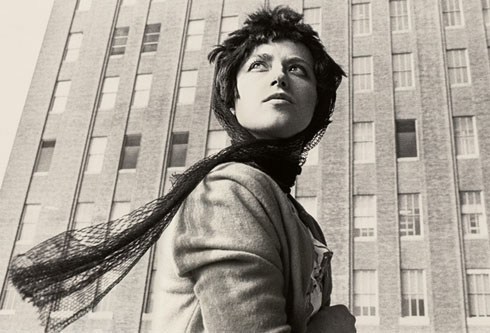
Cindy Sherman is an American photographer who is known best for her elaborately disguised self portraits that focus a lot on social role playing and the sexual stereotyping of women. In 1977 Sherman worked on ‘Complete United Film Stills’ a series of 69 photographs challenging the stereotypes put in place by the media. Sherman likes to play on Social issues, playing with the idea of femininity in the media. Her photo series in 2000 focused exaggerating female attributes, I response to the medias idea of female beauty standards. As a photographer Sherman focuses mainly on how she lights her models and their pose and facial expression. Sherman is trying to create a piece of art in response to a social issue so its important that she gets all the elements of her photographs right.

This image below take from Shermans photo series in 1977 (complete United Film Stills) I love the camera angle, it empowers the woman in the photograph. It shows the women of the time in a different light juxtaposed to the way they are seen in society as second class citizens. The backdrop of the building is a really effective background, it shows women in the city not at home in the kitchen. The expression on the models face as works really well with the theme of the photograph, the determined look on the ladies face shows she is ready for work and ready for the challenges ahead. Shermans strengths lie in the overall compoistion of the images, Sherman is very good at creating a story within a image. All of the images in the ‘Complete United Film Stills’ are featured in black and white. Putting the photographs in black and white gives the images a timeless feel.

I have chosen to look at Cindy Shermans work for my own individual project because I love the timeless look Shermans photographs have. This is an effect I would love to re-create in my own photographs. Putting a political undertone within images is something many photographers have been doing for years. My own project for this unit will not be featuring any political or social issues but this is defiantly something I will look into doing for a future project.

haunted_l1_z

Dorothea Lange- Individual project

Individual Project, Research- Individual project

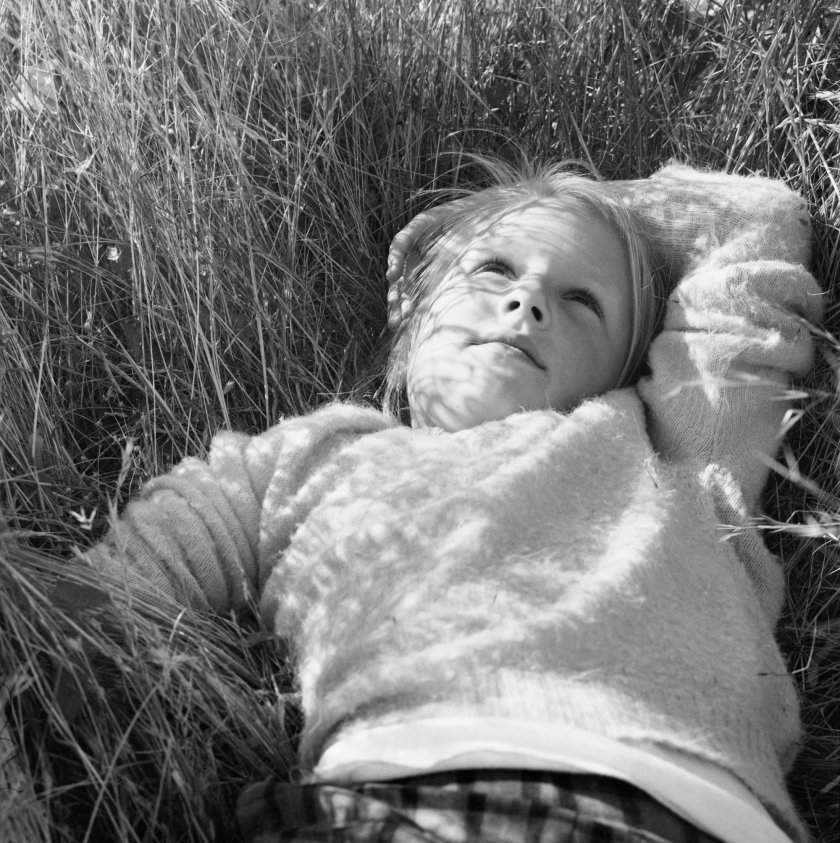
Dorothea Lange was a documentary photographer who photographed the Great Depression in America. Her most famous photo is ‘The Migrant Mother’ which was a migrant family living in America working long days in the fields. Lange never worked in a studio she used her skill as a 20th century photographer to travel and document people and places she encountered. I enjoy the outside element Lange uses in her portraits. Lange always includes the outside elements in her photographs, they help to tell the story of the subject in the photograph. As I’m going to be shooting outside for most of the individual project I can take on Lange’s experience and included the outside elements into my own environment, getting the model to interact with the environment around them to help with the images story telling .

This particular image below is one of my favourite Dorothea Lange photographs. I love how the child is playfully lying in the grass, I also like how Lange has used the sun to her advantage, capturing the shadows of the grass and making sure they are cast on the child’s face. The shadows are noticeable however they are not distracting, they add texture and contrast to the child’s face and jumper, also makes the black and white element more effective as it creates contrast and difference within the photograph. The fact the the girl is also not looking into the camera is also an effective element of this shot. The girl seems to be completely un-aware that her picture is even being taken. This makes the shot more of a documentary shot rather then a set up portrait.

Having the model not looking at the camera is an effective use of camera work. It makes the audience more involved in the subjects story, it makes us question why is she not looking at the camera? does she know her photograph is being taken? creating a sense of mystery in photography work is a key factor when creating a good picture, to not give all the details away keeps the audience asking questions. Looking at Lange’s work has inspired me to create mystery within my work, not always having the subject looking at the camera is ok.  As I have my final shoot coming up I am going to incorporate the inspiration I have gained from looking at Dorothea Lange’s work. 20140822-lens-lange-slide-M7RZ-superJumbo